

 Image 1 of 1
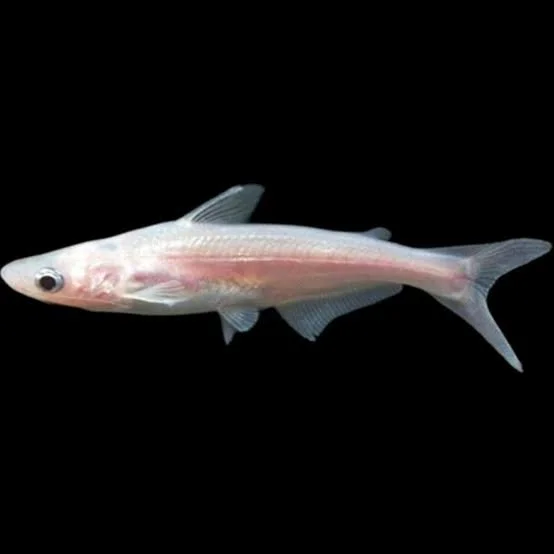
(Albino form of Pangasianodon hypophthalmus)
Common names: Albino Iridescent Shark, Albino Pangasius
Size: 3–4 feet (90–120 cm) in adulthood
Temperament: Nervous, skittish; generally peaceful
Lifespan: 15–20+ years
Schooling: School when young; adults usually solitary due to size
⚠️ Not recommended for home aquariums due to size and growth rate.
If kept:
Tank size: 300+ gallons minimum for a single adult
Length: At least 8+ feet long
Water flow: Moderate
Décor: Open swimming space; minimal sharp decorations (they crash into things when spooked)
Temperature: 72–79°F (22–26°C)
pH: 6.5–7.5
Hardness: 2–15 dGH
Ammonia/Nitrite: 0
Nitrate: <20–30 ppm
Type: Omnivore
Foods:
Sinking pellets (catfish or omnivore)
Vegetables (peas, spinach, zucchini)
Frozen foods (krill, shrimp, bloodworms)
Frequency: 1× daily or small meals 2× daily
Suitable (with enough space):
Large peaceful fish (silver dollars, pacu, larger barbs)
Other large catfish
Large plecos
Avoid:
Anything small enough to be swallowed
Aggressive cichlids (can stress or injure them)
Huge filtration—they produce heavy waste
Weekly 30–40% water changes
Monitor stability; they stress easily and can injure themselves
Outgrowing tanks (most common issue)
Stress injuries from crashing into glass
High ammonia due to large waste output
Blindness or cloudy eyes in poor water conditions
Stunting if kept in small tanks (leads to organ issues)
Virtually impossible in home aquariums
Commercial breeding uses hormones and large ponds
(Albino form of Pangasianodon hypophthalmus)
Common names: Albino Iridescent Shark, Albino Pangasius
Size: 3–4 feet (90–120 cm) in adulthood
Temperament: Nervous, skittish; generally peaceful
Lifespan: 15–20+ years
Schooling: School when young; adults usually solitary due to size
⚠️ Not recommended for home aquariums due to size and growth rate.
If kept:
Tank size: 300+ gallons minimum for a single adult
Length: At least 8+ feet long
Water flow: Moderate
Décor: Open swimming space; minimal sharp decorations (they crash into things when spooked)
Temperature: 72–79°F (22–26°C)
pH: 6.5–7.5
Hardness: 2–15 dGH
Ammonia/Nitrite: 0
Nitrate: <20–30 ppm
Type: Omnivore
Foods:
Sinking pellets (catfish or omnivore)
Vegetables (peas, spinach, zucchini)
Frozen foods (krill, shrimp, bloodworms)
Frequency: 1× daily or small meals 2× daily
Suitable (with enough space):
Large peaceful fish (silver dollars, pacu, larger barbs)
Other large catfish
Large plecos
Avoid:
Anything small enough to be swallowed
Aggressive cichlids (can stress or injure them)
Huge filtration—they produce heavy waste
Weekly 30–40% water changes
Monitor stability; they stress easily and can injure themselves
Outgrowing tanks (most common issue)
Stress injuries from crashing into glass
High ammonia due to large waste output
Blindness or cloudy eyes in poor water conditions
Stunting if kept in small tanks (leads to organ issues)
Virtually impossible in home aquariums
Commercial breeding uses hormones and large ponds