

 Image 1 of 1
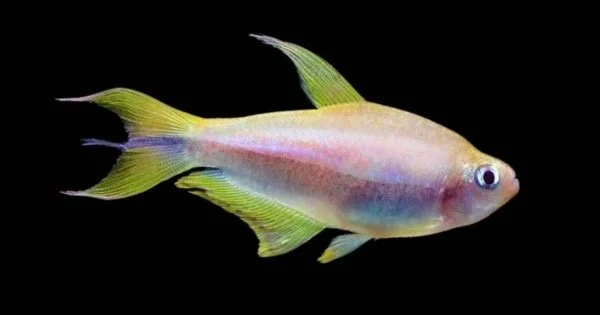
Scientific name: Hyphessobrycon pulchripinnis (albino morph)
Common names: Albino Palmeri Tetra, Albino Lemon Tetra
Adult size: ~4–5 cm (1.5–2 in)
Temperament: Peaceful, active schooling fish
Lifespan: 4–6 years
Minimum tank size: 20 gallons (75 L)
School size: 8–10+ individuals
Temperature: 22–28°C (72–82°F)
pH: 6.0–7.6
Water hardness: Soft to moderately hard
Lighting: Moderate; albinos may prefer softer light
Aquascape: Plants, open swimming space
Type: Omnivore
Foods:
High-quality flakes/micro-pellets
Frozen/live foods: brine shrimp, daphnia, bloodworms
Occasional vegetable-based foods
Feeding: 1–2× per day, small amounts
Very peaceful; excellent for community tanks
Good tankmates:
Other small tetras
Rasboras
Corydoras
Small plecos
Dwarf shrimp (adults generally safe)
Avoid:
Fin-nippers
Large/aggressive species
Difficulty: Moderate
Method: Egg scatterer
Tips:
Use a separate breeding tank with soft, slightly acidic water
Provide fine-leaf plants or spawning mops
Remove adults after spawning (they eat eggs)
Eggs hatch in ~24–36 hours, fry need infusoria then baby brine shrimp
Sensitive to poor water quality → weekly water changes
Albino eyes make them light-sensitive → use gentle lighting
Colors show best with stable water and good diet
Scientific name: Hyphessobrycon pulchripinnis (albino morph)
Common names: Albino Palmeri Tetra, Albino Lemon Tetra
Adult size: ~4–5 cm (1.5–2 in)
Temperament: Peaceful, active schooling fish
Lifespan: 4–6 years
Minimum tank size: 20 gallons (75 L)
School size: 8–10+ individuals
Temperature: 22–28°C (72–82°F)
pH: 6.0–7.6
Water hardness: Soft to moderately hard
Lighting: Moderate; albinos may prefer softer light
Aquascape: Plants, open swimming space
Type: Omnivore
Foods:
High-quality flakes/micro-pellets
Frozen/live foods: brine shrimp, daphnia, bloodworms
Occasional vegetable-based foods
Feeding: 1–2× per day, small amounts
Very peaceful; excellent for community tanks
Good tankmates:
Other small tetras
Rasboras
Corydoras
Small plecos
Dwarf shrimp (adults generally safe)
Avoid:
Fin-nippers
Large/aggressive species
Difficulty: Moderate
Method: Egg scatterer
Tips:
Use a separate breeding tank with soft, slightly acidic water
Provide fine-leaf plants or spawning mops
Remove adults after spawning (they eat eggs)
Eggs hatch in ~24–36 hours, fry need infusoria then baby brine shrimp
Sensitive to poor water quality → weekly water changes
Albino eyes make them light-sensitive → use gentle lighting
Colors show best with stable water and good diet