

 Image 1 of 3
 Image 2 of 3
 Image 3 of 3
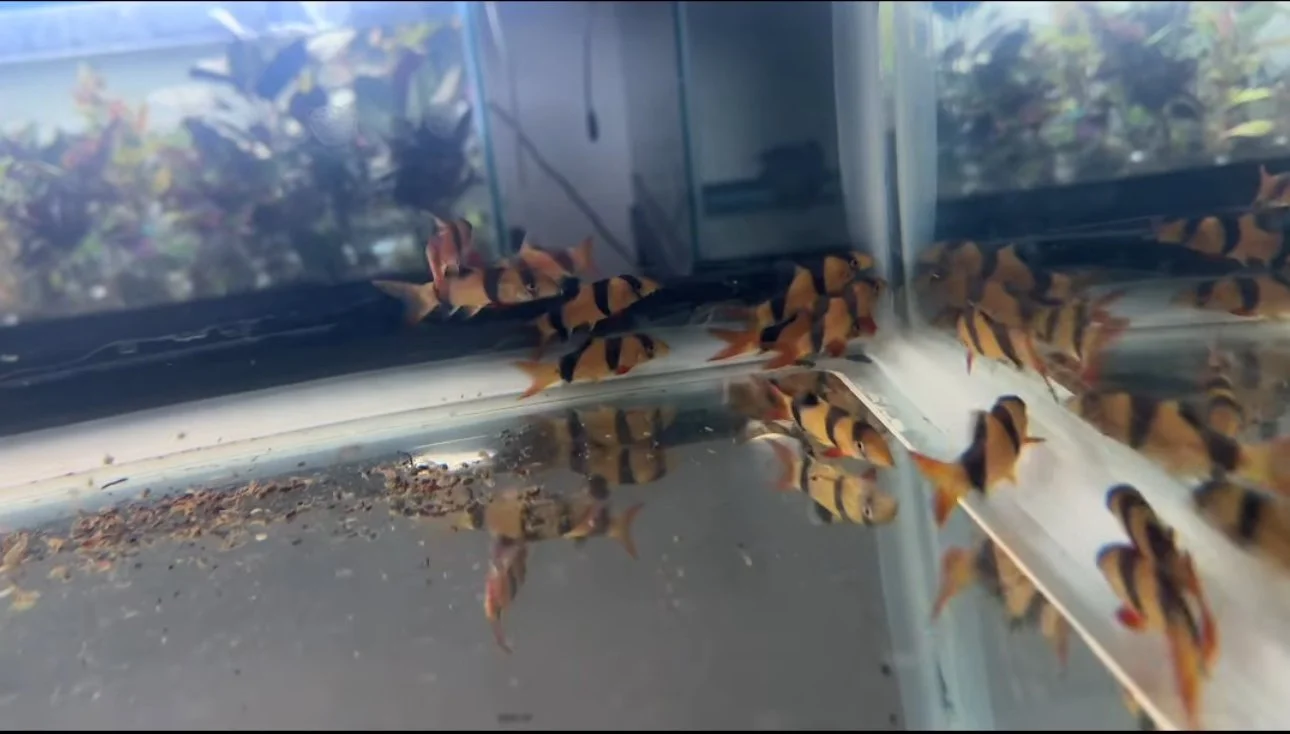
About 3” in size
Adult Size
10–12 in (25–30 cm)
Grow slowly but get very large
Lifespan
20–30+ years (long-term commitment)
Tank Size
Juveniles: 75 gal minimum
Adults: 150–200+ gal recommended
Temperature
78–86°F (25–30°C)
pH
6.0–7.5 (slightly acidic preferred)
Water Hardness
Soft to moderately hard
Behavior
Peaceful, playful, social
Must be kept in groups of 5+ (very important)
Activity
Mostly bottom-dwelling
Active, curious, likes to explore
Diet
Omnivore
Sinking pellets, wafers
Frozen/live foods (bloodworms, brine shrimp)
Vegetables (zucchini, cucumber)
Excellent snail eaters
Tank Setup
Sand or smooth substrate (sensitive barbels)
Lots of hiding places (caves, driftwood)
Moderate flow, well-oxygenated water
Tank Mates
Peaceful community fish
Larger tetras, rasboras, gouramis, peaceful cichlids
Avoid aggressive or very small fish
Special Notes
Prone to ich (scaleless fish)
Sensitive to medications
May “play dead” (normal behavior!)
About 3” in size
Adult Size
10–12 in (25–30 cm)
Grow slowly but get very large
Lifespan
20–30+ years (long-term commitment)
Tank Size
Juveniles: 75 gal minimum
Adults: 150–200+ gal recommended
Temperature
78–86°F (25–30°C)
pH
6.0–7.5 (slightly acidic preferred)
Water Hardness
Soft to moderately hard
Behavior
Peaceful, playful, social
Must be kept in groups of 5+ (very important)
Activity
Mostly bottom-dwelling
Active, curious, likes to explore
Diet
Omnivore
Sinking pellets, wafers
Frozen/live foods (bloodworms, brine shrimp)
Vegetables (zucchini, cucumber)
Excellent snail eaters
Tank Setup
Sand or smooth substrate (sensitive barbels)
Lots of hiding places (caves, driftwood)
Moderate flow, well-oxygenated water
Tank Mates
Peaceful community fish
Larger tetras, rasboras, gouramis, peaceful cichlids
Avoid aggressive or very small fish
Special Notes
Prone to ich (scaleless fish)
Sensitive to medications
May “play dead” (normal behavior!)